If you’ve Googled Do Brow Artists in Australia Need Legal Accreditation? you’ll get a mix of answers. Some say yes, others say no, and a few will tell you your local brow lady is operating in a legal grey zone. As a cosmetic tattooing professional in Melbourne, I (Olha Po) get asked this question all the time — usually right after a client shares a horror story from social media. At Cosmetic Tattoo Studio Melbourne Face Figurati, we believe clarity matters, especially in an industry as big and fast-growing as cosmetic tattoos.
Why Accreditation is More Than Just Paperwork
Accreditation in the beauty industry isn’t just about ticking boxes — it’s about protecting clients and building trust. In Australia, cosmetic tattooing is classified as a skin penetration procedure, so brow artists must meet strict hygiene and safety standards. These rules exist for a reason: to prevent infections, ensure pigments are safe and make sure permanent makeup treatments like eyebrow tattooing are done in a sterile environment.
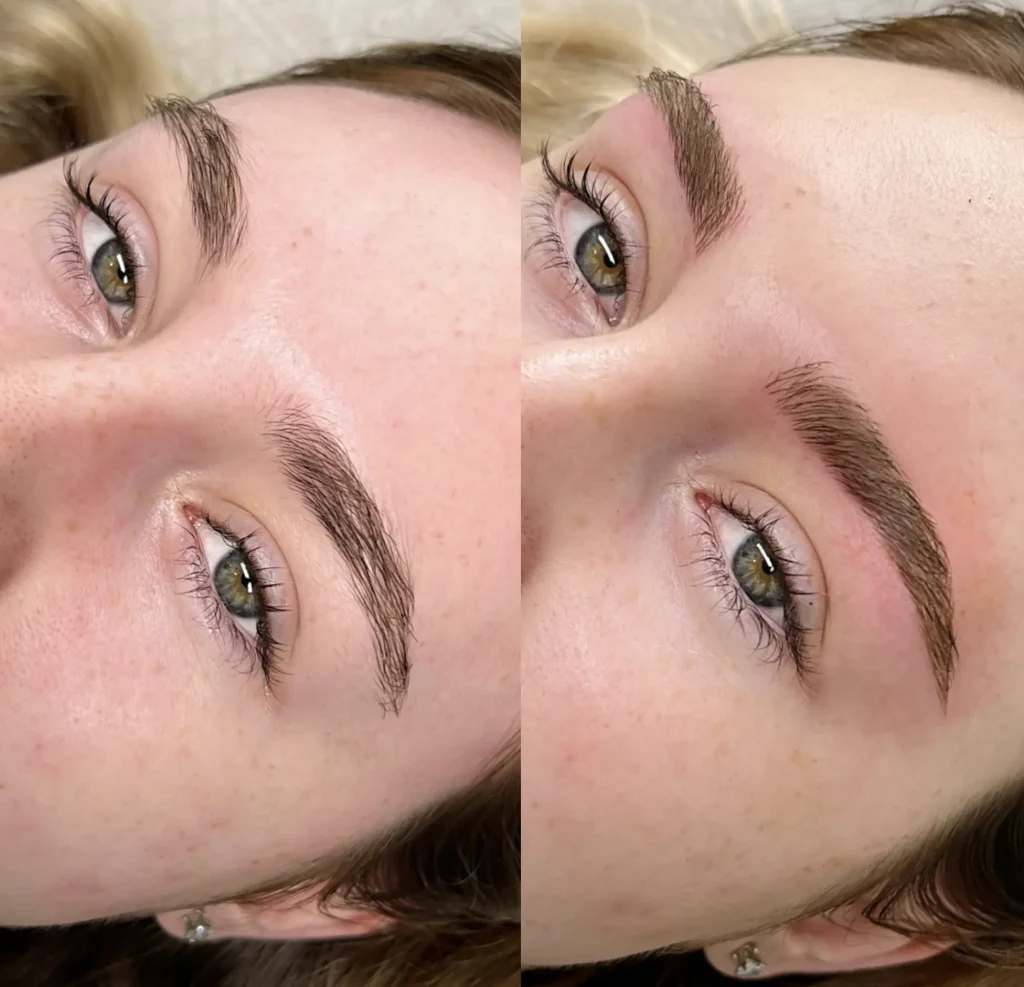
Who Regulates Brow Tattooing in Australia?
Unlike lash extensions or spray tanning, eyebrow tattooing falls under public health laws. Every state and territory has slightly different rules, but the common denominator is registration with the local council. For example, in Melbourne, cosmetic tattoo clinics like Cosmetic Tattoo Studio Melbourne Face Figurati must comply with the Public Health and Wellbeing Act, ensuring every brow specialist operates in line with infection control standards.
- Victoria: Public Health and Wellbeing Act 2008
- NSW: Public Health Regulation 2022
- Queensland: Infection Control for Personal Appearance Services Act 2003
- Other states/territories: Similar frameworks are all about safe environments and public liability
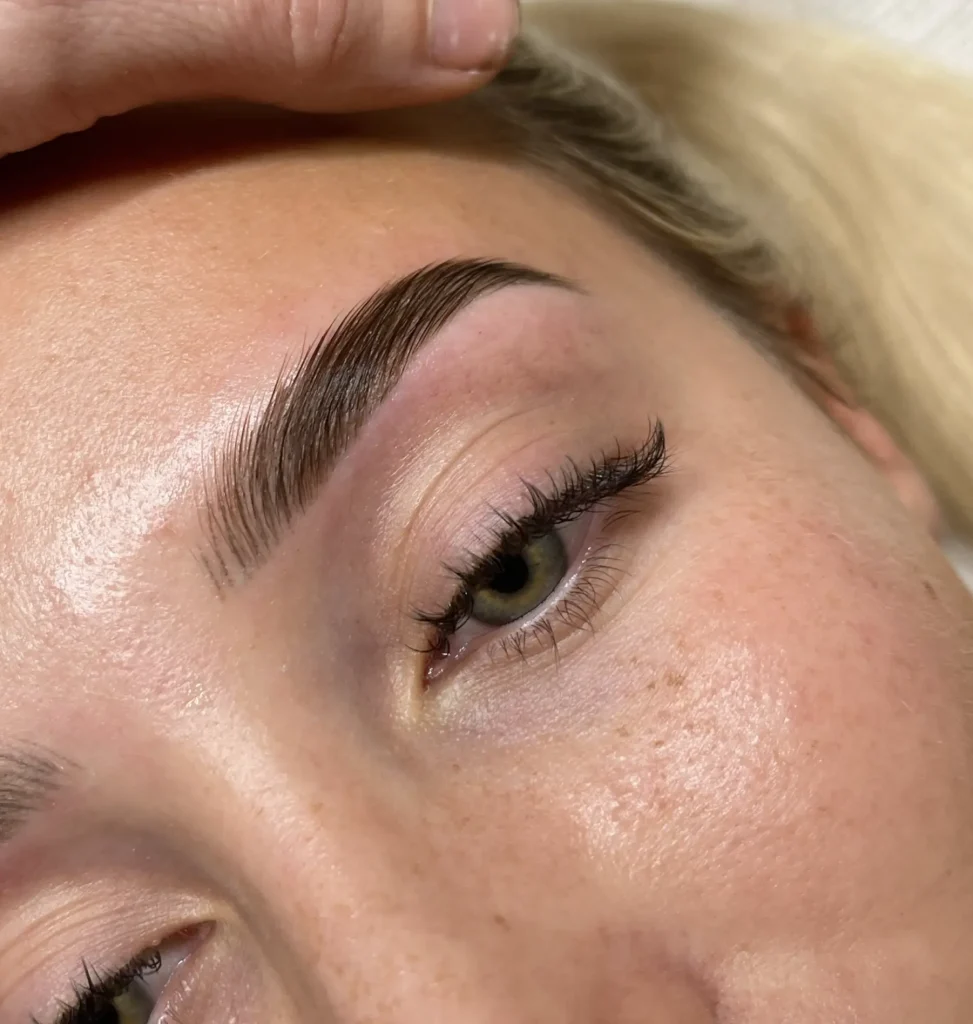
Training vs Accreditation — What’s the Difference?
Clients get training programs mixed up with legal accreditation. A training organisation may offer microblading training, an eyebrow tattoo training course or even an advanced eyebrow tattoo class. While these courses teach skills like mapping arches, feather strokes, pigment application and colour correction, they don’t automatically mean legal compliance.
From a legal standpoint, councils require an infection control certificate, proof of a sterile environment and business registration. From an industry standpoint, a beauty trainer or cosmetic clinic owner would also recommend learning tattooing techniques, brow shaping, brow waxing, brow tinting and even complementary services like lip tattooingor skin needling practices. Together, these form the foundation of both artistry and compliance.
Accreditation and Client Safety — It’s Non-Negotiable
Every eyebrow technician should know skin anatomy, facial anatomy and how different skin types react to pigment application. I’ve seen clients with sensitive skin have poor healing responses because an untrained artist didn’t follow proper procedures. Whether it’s eyebrow tattooing, digital machines or cosmetic procedures, infection control and sterile techniques matter more than fancy Instagram reels.
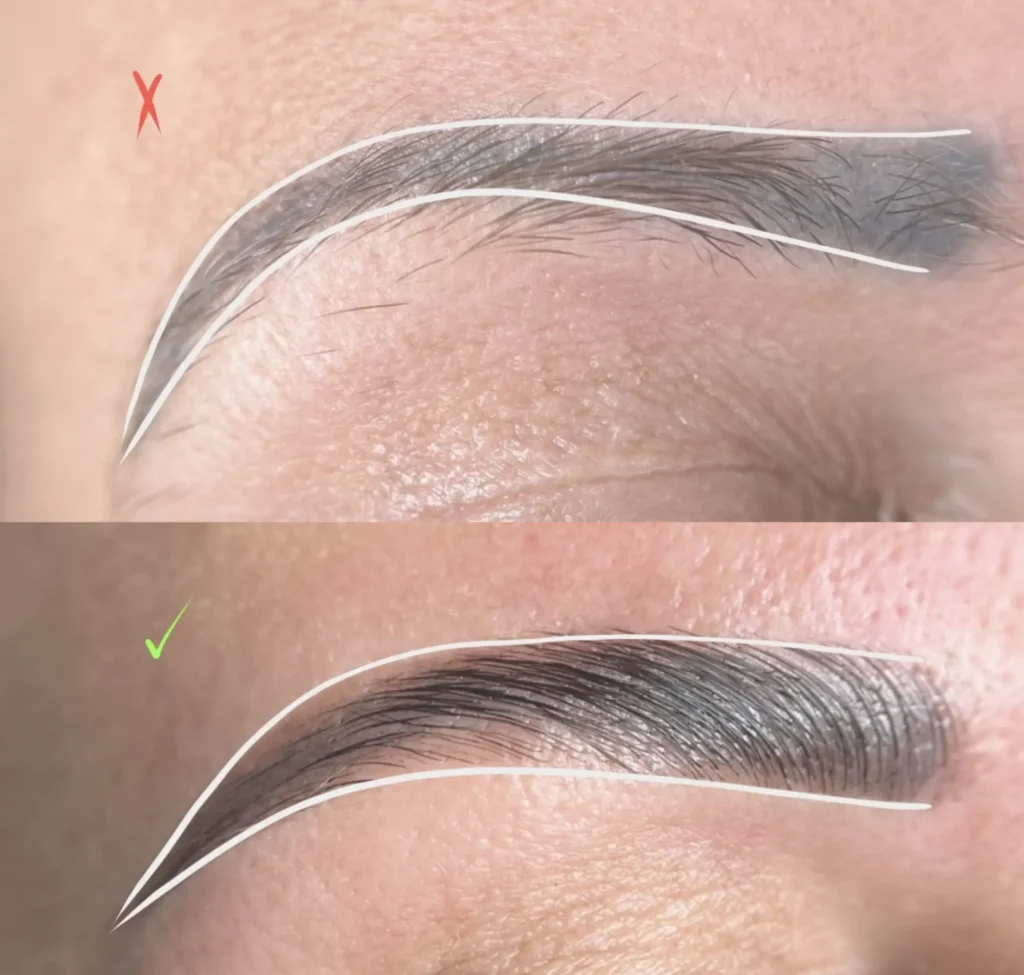
Social Media Artists and “At-Home” Studios
Social media has fuelled the rise of eyebrow threading technicians, microblading reels and eyebrow courses online. But here’s the catch — many “at-home” set-ups are missing council registration, infection control training or even public liability insurance. Without those, an eyebrow tattooing session may look glamorous online, but it carries huge health risks and legal risks for clients searching for services like “microblading near me”.
What Happens If an Artist Isn’t Accredited?
Operating without accreditation can attract fines, closures and even prosecution. Councils monitor the industry closely — Safe Work Australia reported over 400 compliance actions in the beauty industry in 2023 alone. Beyond the financial risk, an unregistered studio undermines client trust and the reputation of cosmetic tattooists across the country.
Quick Reference: Brow Artist Legal Requirements by State
| State/Territory | Council Registration | Infection Control Cert. | Studio Requirements |
|---|---|---|---|
| VIC | Yes | Yes | Public Health & Wellbeing Act compliance |
| NSW | Yes | Yes | Public Health Regulation standards |
| QLD | Yes | Yes | Infection Control Act compliance |
| SA | Yes | Yes | Local council regulations |
| WA | Yes | Yes | Local council regulations |
| TAS | Yes | Yes | Local council regulations |
| NT | Yes | Yes | Local council regulations |
| ACT | Yes | Yes | Territory health guidelines |
The Cost of Compliance — What Artists Invest
A compliant cosmetic clinic in Melbourne can cost $10,000–$20,000 to set up. Between infection control certificates, council inspections, fit-outs for sterile environments, and public liability insurance, accreditation isn’t cheap. But these costs are part of doing business in the regulated beauty industry and essential for professional recognition at industry conferences and trade shows.
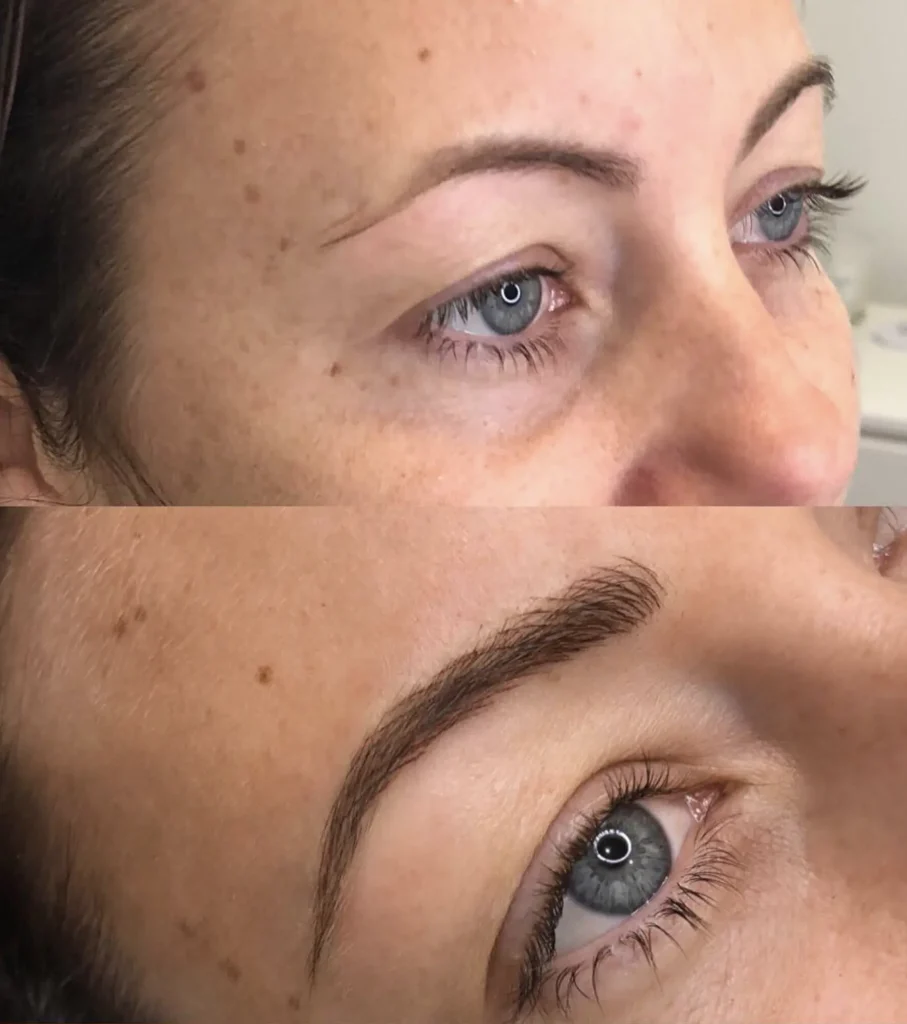
Does Accreditation Mean Great Brows?
Not necessarily. Accreditation means safe procedures, but it doesn’t mean artistry. That comes from practice on different skin types, professional photography and strong client consultations. Celebrity clients may flock to eyebrow specialists trained in microblading and eyebrow tattoo course, but true long-lasting results come from a mix of skill and compliance.
How Clients Can Check an Artist’s Accreditation
Before booking, clients should ask:
- Are you registered with the local council?
- Do you have a current infection control certificate?
- Do you have public liability insurance?
- Can I see your sterile environment?
These questions matter as much as reviewing healed results or browsing microblading reels on social media. At Cosmetic Tattoo Studio Melbourne Face Figurati, we always welcome client consultations to provide proof of compliance and artistry.
The Rise of Standards in the Beauty Industry
According to IBISWorld, the cosmetic tattooing sector has grown 15% annually since 2020, with eyebrow shapingand permanent makeup leading the demand. As the Australian government tightens public health regulations, expect to see more mandatory training packages, formal recognition of beauty therapist students and structured pathways for eyebrow tattoo training, eyebrow waxing technicians and eyebrow shaping professionals.
Why Melbourne Clients Care About Accreditation
Melbourne’s beauty industry is all about quality, style and professionalism. Local council regulations ensure eyebrow specialists, lash extension artists and cosmetic tattooists operate safely. Clients here value artistry, sterile environments and transparency — and they know how to spot dodgy operators. That’s why at Cosmetic Tattoo Studio Melbourne Face Figurati, we provide accredited services and advanced training for eyebrow tattooing and microblading courses.
Final Thoughts — What This Means for You
So, do brow artists in Australia need to be accredited? The short answer: yes, if they want to work legally and safely. Accreditation covers infection control, client safety and council rules. As a client, you should always expect artistry and accreditation hand in hand. As a professional, I see accreditation not as a hurdle but as the baseline for success in a competitive beauty industry.
FAQ
Is accreditation the same as a cosmetic tattoo training program?
No. Accreditation covers infection control and council approval, while training packages, like an eyebrow tattoo course or microblading training, build skill in artistry.
Can eyebrow tattooing be done at home by an eyebrow technician?
Legally no. Home setups usually don’t meet the sterile environment standards required under skin penetration laws.
Do beauty therapist students need an infection control certificate?
Yes. Whether studying eyebrow tattoo training or cosmetic lip tattoos, students must complete infection control before practising on clients.
How does business registration affect cosmetic tattooing?
Business registration ensures compliance with Australian government regulations and protects the artist and clients through public liability insurance.
Are microblading reels and social media proof of accreditation?
No. Social media can show artistry, but only local council regulations, certificates and insurance validate accreditation. If you’re looking for “microblading near me”, always check the artist’s compliance first.
About the Author