You’re packing the boot for a Phillip Island getaway — surfboards strapped on, kids packed like sardines in the back, GPS set for the Penguin Parade. Then someone pipes up and asks, “Hey, can you take the car on the ferry to Phillip Island?”
Fair question — and one I’ve heard more than a few times while sipping a flat white near the Stony Point Jetty. Let’s break it down.
Driving to Phillip Island
Here’s the short version: there is no vehicle ferry to Phillip Island. But you don’t need one. A fully sealed bridge at San Remo connects mainland Victoria to the island — the Phillip Island Bridge — making it an easy drive all year round.
No weather cancellations, no weight restrictions (well, unless you’ve welded a bull bar to a motorhome), and no need to schedule around ferry arrivals or passenger ferry service weather delays.
So if you’re on four wheels, your best bet is this:
- Start in Melbourne
- Take the M1, then South Gippsland Hwy, then Phillip Island Road
- Cross the bridge at San Remo
- Boom — island life in just over 90 minutes
So What’s the Deal With the Phillip Island Ferry?
There is a ferry — or more accurately, a passenger-only ferry. It runs between Stony Point, French Island, and Cowes Jetty on Phillip Island. It’s part of the Western Port Ferries network, not to be confused with Searoad Ferries or Port Phillip Ferries, which operate elsewhere around Port Phillip Bay.
Key Facts
- Operated by Western Port Ferries
- Leaves from: Stony Point Jetty on the Mornington Peninsula
- Stops at: French Island (via Tankerton Jetty)
- Arrives at: Cowes Jetty, Phillip Island
- No cars allowed — this is a passenger ferry only
- If you’re hoping to roll your 4wd or camper across with the dog and the BBQ, you’ll need to go via San Remo instead.
Ferry for Foot Travellers and Cyclists
This passenger ferry is perfect for day trips or short stays — think cyclists with bikes, hikers with daypacks, or couples with a backpack and camera; it’s a great alternative to driving and traffic stress.
There are bike racks on board, and the ferry is fully equipped for a 40-minute trip across Western Port Bay.
Getting to Stony Point: Public Transport Options
If you’re coming from the city centre, getting to the Stony Point Jetty is easier than you think without a car.
- Train from Flinders Street Station to Frankston Station
- Transfer to Stony Point Line (check the current timetable as services vary)
- Connect with bus services from Dandenong Station or the surrounding areas
- Disembark at Stony Point Road — it’s a short walk to the ferry terminal
This route works well during school holidays and weekends, so great for daily tours, fun family attractions or a quiet day trip from the city.
Why No Vehicle Ferry
There’s been talk of introducing a car ferry between the Mornington Peninsula and Cowes, but community resistance, infrastructure hurdles and environmental impact studies have kept plans like the Island Ferry on the back burner.
Until then, all cars—yes, that includes delivery vans and souped-up city SUVS with chrome bull bars—must cross via the San Remo bridge; there’s no drive-on service.
Car Hire or Airport Transfers
No car? Car hire and local transfers are available once you land at Cowes, with limited airport-run options.
Once you get to Cowes, you’ll find car hire, limited airport transfers (including Avalon Airport runs), and bus tours from local operators. But if you want to have full freedom to explore the island’s rugged cliffs, beautiful beaches and inland wildlife parks, having a car is a big help and ideal for visiting places like Rhyll and Cape Woolamai.
What to Do Once You’re on the Island
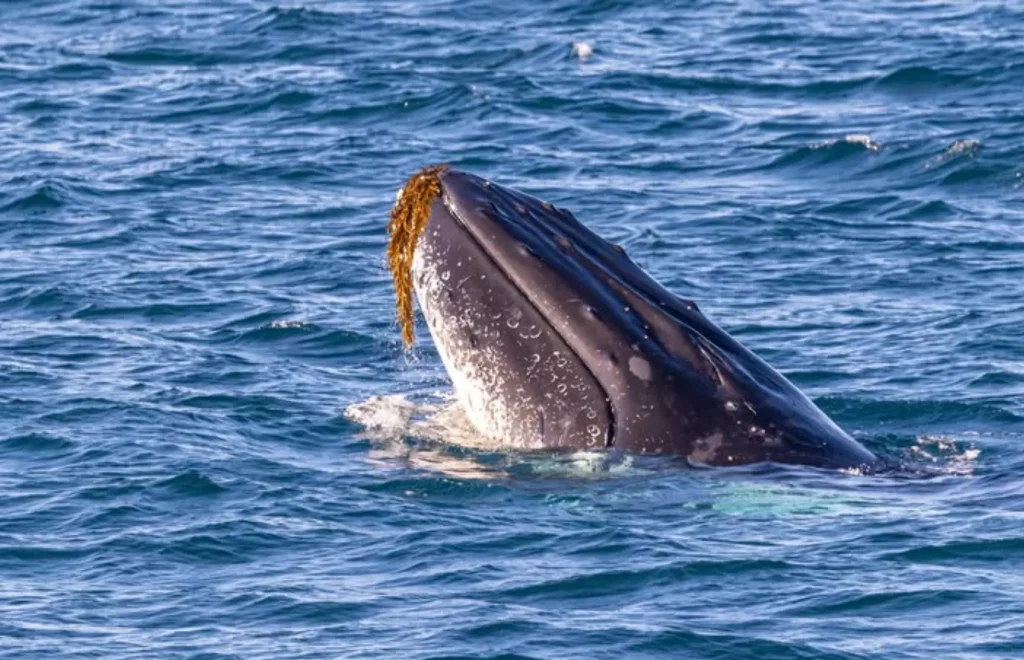
Lazy weekends, wildlife encounters and surf — Phillip Island is full of fun destinations for weekenders and nature lovers alike.
Here’s what your arrival destination has to offer:
- Penguin Parade – classic beach at dusk viewing of little penguins
- Koala Conservation Reserve – treetop boardwalks + native habitat
- Surf Beach – one of the island’s most consistent surf spots, perfect for learners and experienced surfers
- Phillip Island Nature Parks – includes Nobbies, Seal Rocks and Antarctic Journey
- Phillip Island Wildlife Park – hand feed roos, wallabies and emus
- Churchill Island – top stop on any Phillip Island tour, with its living heritage farm and coastal walking trails
- Scenic hikes and beachside chilling across the island
If you’re short on time but want to pack in the best bits, several Phillip Island tours offer day trips and wildlife park stops that cover the big ticket items without the hassle of navigating.
Travel Times & Ferry Timetable Tips
Let’s talk ferry timetable — because the passenger ferry service doesn’t run on your vibe, it runs on a schedule.
Morning departure times: From Stony Point, around 7:00–9:00 am
Afternoon departure times: Back from Cowes Jetty mid to late afternoon
Services may vary on public holidays, so always check the current timetable; ferry runs in most weather, but rough seas or maintenance may pause services.
Payment methods include cards, concession fares for Health Care Card holders and bookings online or at the terminal. You can even book Geelong day tours from Cowes or catch a connection with MyBus Geelong and Port Melbourne.
Bicycle Policy & Push Bike Access, Got a bike?
The ferry’s Push bikes policy is straightforward: push bikes are allowed onboard (limited space).
Book a bike during peak times to guarantee space.
Perfect for riding around Cowes, Western Port and coastal loops without city traffic to navigate.
Foot or Ferry Travellers’ Packing List
Heading over without a car? Here’s what I’d pack:
- Day pack or overnight bag
- Layers for bay breezes
- Snacks and water
- Myki card for the train station connections
- Towel and swimmers for a quick dip near Brighton Beach or Woolamai
- Camera or phone for unforgettable experiences and wildlife snaps
If you’re coming from inner city hotels and heading to Phillip Island on a budget, this is one of the easiest regional getaways from Southern Cross Station.
Last Word

Can you take your car on the ferry to Phillip Island? No, unless it floats, mate.
But don’t write off the ferry altogether. It’s a ripper way to travel light, slow down and soak up some of Victoria’s stunning coastlines, bodies of water and charming towns.
For everyone else – especially the ones packing swags, surfboards and eskies – San Remo’s your best mate.
Need help planning your Phillip Island trip or fitting in a boat trip and city-to-island escape without the car drama? Autopia Tours, for example, run seasonal day tours from Melbourne that include the Penguin Parade, Nobbies Boardwalk and even time for a cheeky fish and chips by the beach. It’s a good shout if you’d rather someone else do the driving.
FAQ
Can I take my car on the ferry to Phillip Island?
No. The ferry from Stony Point to Cowes is passenger-only. No cars, trailers or vans allowed.
Is there a vehicle ferry from the Mornington Peninsula?
Nope. There’s talk about it, but no current service allows you to take a car directly via ferry.
How do I get to the ferry terminal without a car?
Trains and buses run from Flinders Street Station, Frankston and Dandenong Station to Stony Point Road, with access to the Stony Point Jetty.
Can I leave my car at Stony Point?
Yes, there’s parking at Stony Point, though it can fill up on weekends and school holidays. Make sure the cars of passengers who left are parked legally and safely – some areas are restricted.
Are there alternative ferry services nearby?
Searoad Ferries runs between Queenscliff and Sorrento (no connection to Phillip Island), and Port Phillip Ferriesoperates Portarlington to the city, including the 80-minute Portarlington cruise. Great for wider coastal journeys, but not for island car access.
About the Author