Let’s get one thing straight — a healed cosmetic tattoo should sit smoothly in the skin. So when you notice raised, uneven spots or a weird “bubbling” texture where your pigment used to sit pretty, it’s a red flag worth decoding. This blog post unpacks what cosmetic tattoo bubbling is, why it happens (hint: it’s not just bad luck), and what to do if it shows up on your face.
At Cosmetic Tattoo Studio Face Figurati, I’ve seen it all — from over-saturated Lip Blush Tattoos to rogue grey tattoos that turned blue after too many laser treatments. But “bubbling” has a special place in the category of sneaky surprises, because it often crops up after the healing process is supposedly complete. Let’s break it down — with zero fluff, just straight-up expert advice from a cosmetic tattoo specialist who’s dealt with every skin type under the Aussie sun.
As a cosmetic tattooing artist working in Brisbane for over a decade, I can tell you this issue shows up more than you’d think, especially when poor technique or medical conditions come into play.
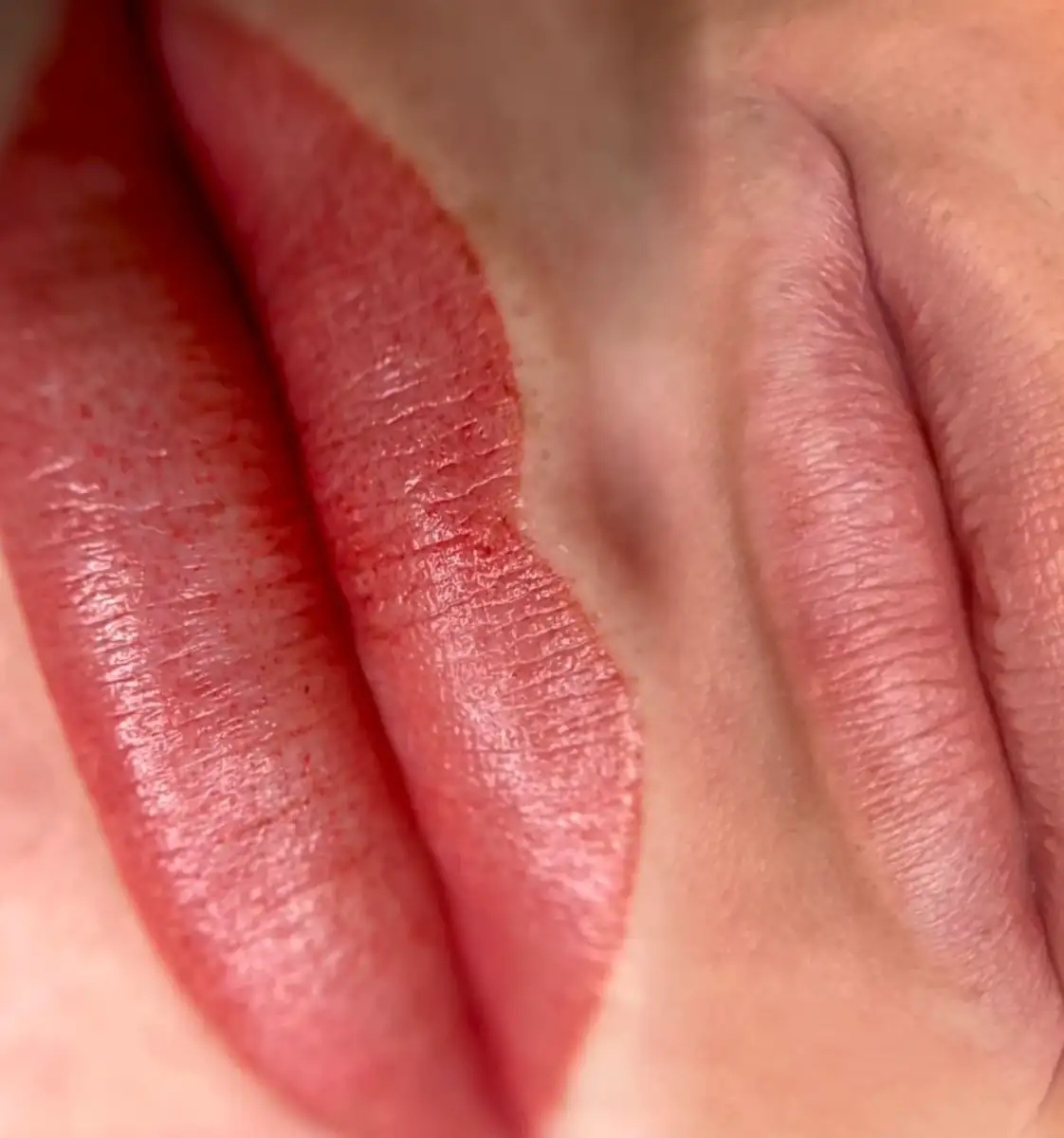
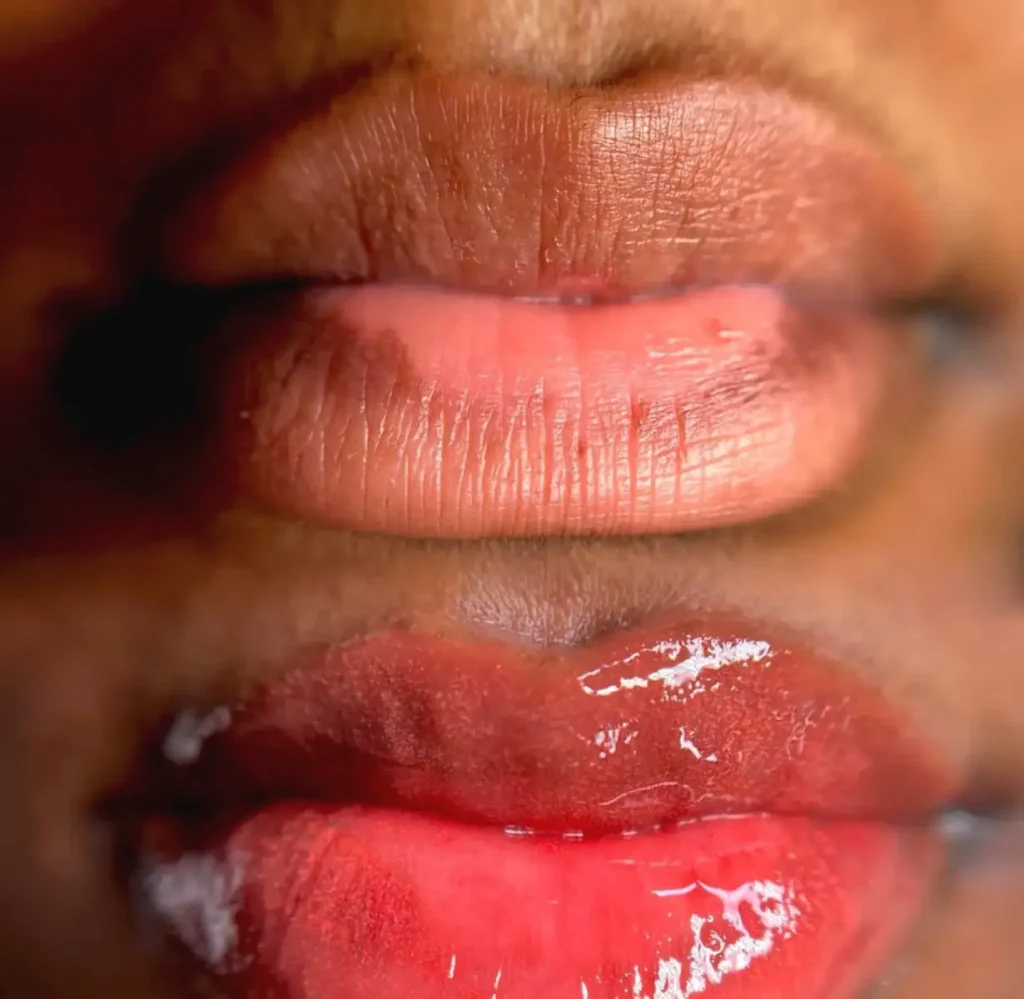
Cosmetic Tattoo Bubbling: What It Looks Like
You’ve had a cosmetic tattoo for a while — maybe eyebrow tattoos, maybe lips. Everything looked fine… until it didn’t. Suddenly, the tattooed skin feels bumpy, a bit raised, or has a dotted, “blistered” look. This is what we call bubbling.
Signs you’re dealing with tattoo bubbling:
- Patchy or raised bumps in the tattooed area
- Uneven colour distribution across the pigment
- Slight inflammation or tenderness over time
- Tattooed pigment sits higher in the skin’s layers
- Delayed skin regeneration causes prolonged texture issues
It can look a little like goosebumps or like the pigment is trying to push up and out of the skin cells, but it’s not necessarily an infection, and it’s not always from recent trauma.
Why Does Cosmetic Tattoo Bubbling Happen?

There’s no one-size-fits-all answer, but bubbling usually points to a combination of skin behaviour, pigment interaction, and trauma, often from the original tattooing session or how the healing was managed.
Here’s what can trigger bubbling:
| Trigger | What’s Happening Under the Skin |
|---|---|
| Overworking the skin | Too much trauma disrupts skin health and blood flow, delaying healing. |
| Allergic reaction to tattoo ink | The body may reject foreign materials like titanium dioxide or certain ink pigments. |
| Sun exposure | UV rays interfere with Cosmetic Tattoo Pigment Retention and can alter skin colour. |
| Improper aftercare | Skipping aftercare instructions or using fragranced soap instead of antibacterial, fragrance-free soap affects the superficial wound. |
| Medical conditions | Diabetes, autoimmune diseases, and hormonal fluctuations impair healing and pigment retention. |
| Laser treatments | Certain types of lasers, especially if used on tattooed pigment, may cause adverse tattoo removal side effects. |
2025 has seen an increase in bubbling due to reputable laser tattoo removal clinics treating older pigment types and a surge in clients attempting at-home skin resurfacing or fading methods. These usually lead to poor healing or adverse reactions.
Artist Technique & Skin Response
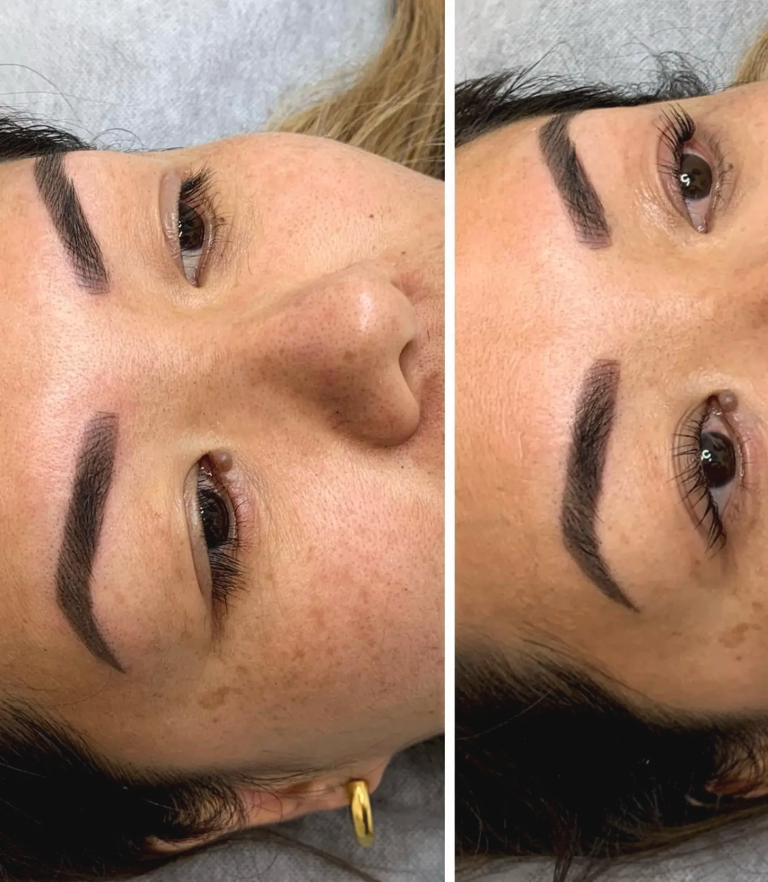
Let’s talk about the tattoo artists. An artist with experience doing both permanent makeup and removal understands how deep to go, how long a treatment session should last, and how to respect the layer of skin involved. Bubbling often appears when this isn’t managed correctly.
A qualified cosmetic tattooing artist will always consider the client’s skin type and tailor their technique accordingly — that’s one of the main differences between trained cosmetic tattoo artists and inexperienced techs rushing through appointments.
Technique mistakes that lead to bubbling:
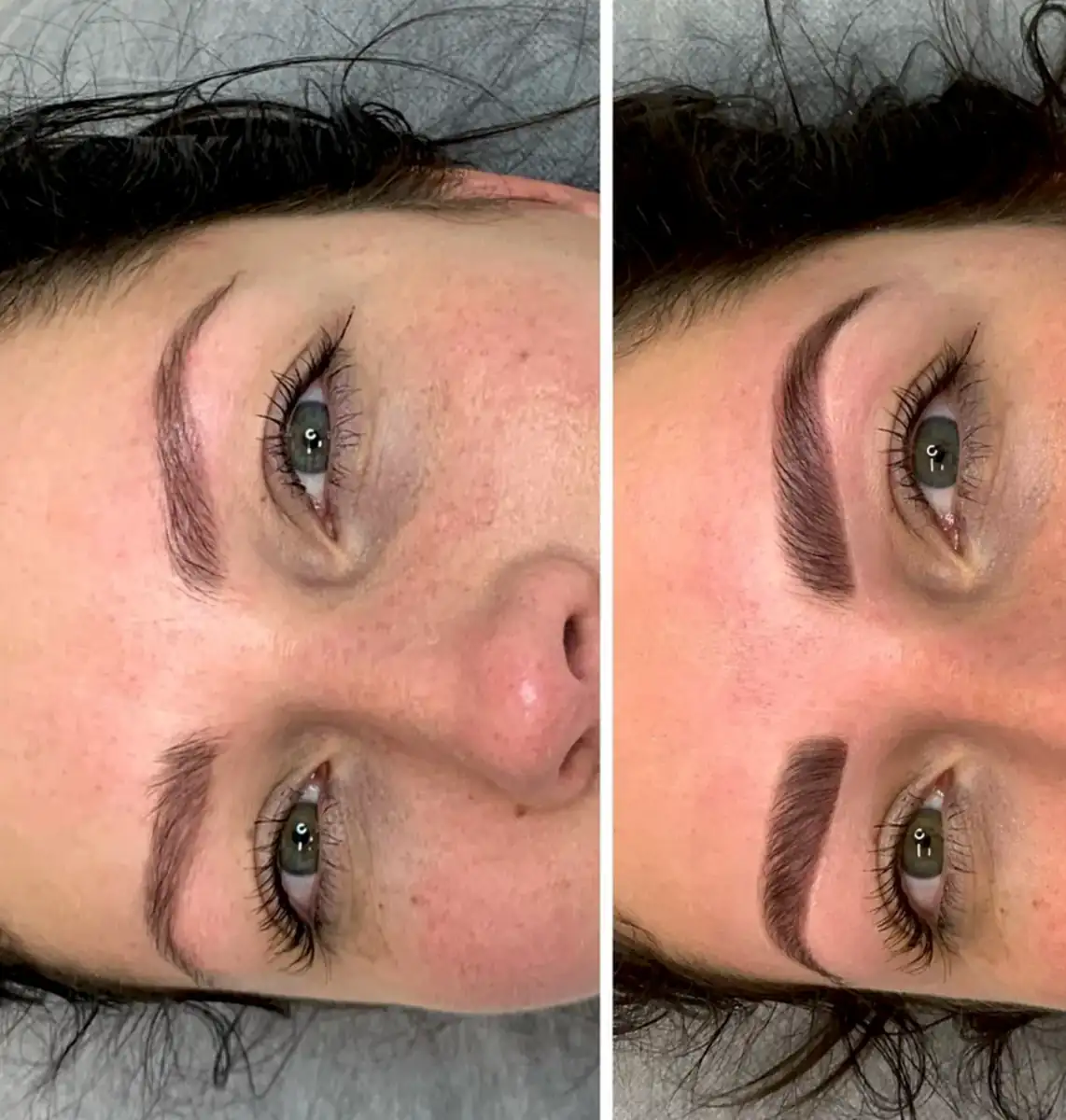
- High machine speed causes trauma to fragile skin
- Repeated passes on dry skin or thinner skin types
- Failing to adjust for skin time and proper blood supply
- Using pigment incompatible with the client’s skin type or colour
During a tattooing session, things like blood sugar levels, blood thinners, and even hydration levels affect how pigment settles. Cosmetic tattoo artists must consider all of these factors.
Who’s More Prone?
It comes down to skin type, health, and history. Certain conditions increase the risk of bubbling and pigment rejection.
Higher risk:
- Individuals with skin conditions like eczema or psoriasis
- Those with impaired healing response due to diabetes or chemotherapy treatments
- Clients on anti-inflammatory medications or antiviral medications for cold sores
- Previous skin cancer site or history of skin cancer
- Hormonal imbalance or metabolic disorder
Even something as simple as not keeping your skin hydrated during healing can compromise pigment retention. Adequate water intake supports bodily functions, including proper healing.
Is Dangerous?
In most cases, cosmetic tattoo bubbling is annoying, not dangerous. But it may be a warning sign of:
- Rejection of tattoo pigments
- Scar tissue formation in layers of skin
- Immune response to cosmetic pigments or ink pigments
- Reaction in individuals with autoimmune diseases
When to see a healthcare provider:
- If you notice signs of infection like pus, heat, or spreading redness
- If bubbling causes pain, changes colour, or increases in size
- If you’ve had a medical procedure recently that could affect healing
What To Do
Step-by-step:
- Stop using any topical creams unless advised by a doctor.
- Avoid heat, sun and facials.
- Book in with a cosmetic tattoo artist or removal specialist.
- Don’t book in for more appointments or tattoo layering until the skin has settled.
If you’re in the Brisbane area, look for a cosmetic tattooing Brisbane specialist who knows both tattooing and correction. In the studio, we see clients after failed touch-ups or poor aftercare. In many cases, bubbling can be stabilised with saline tattoo removal if the pigment hasn’t gone too deep.
Other options:
- Surgical tattoo removal (rare for granulomas or nodules)
- Laser tattoo removal if the pigment allows
- Alternative to laser tattoo options, like emergency saline fading
How To Prevent
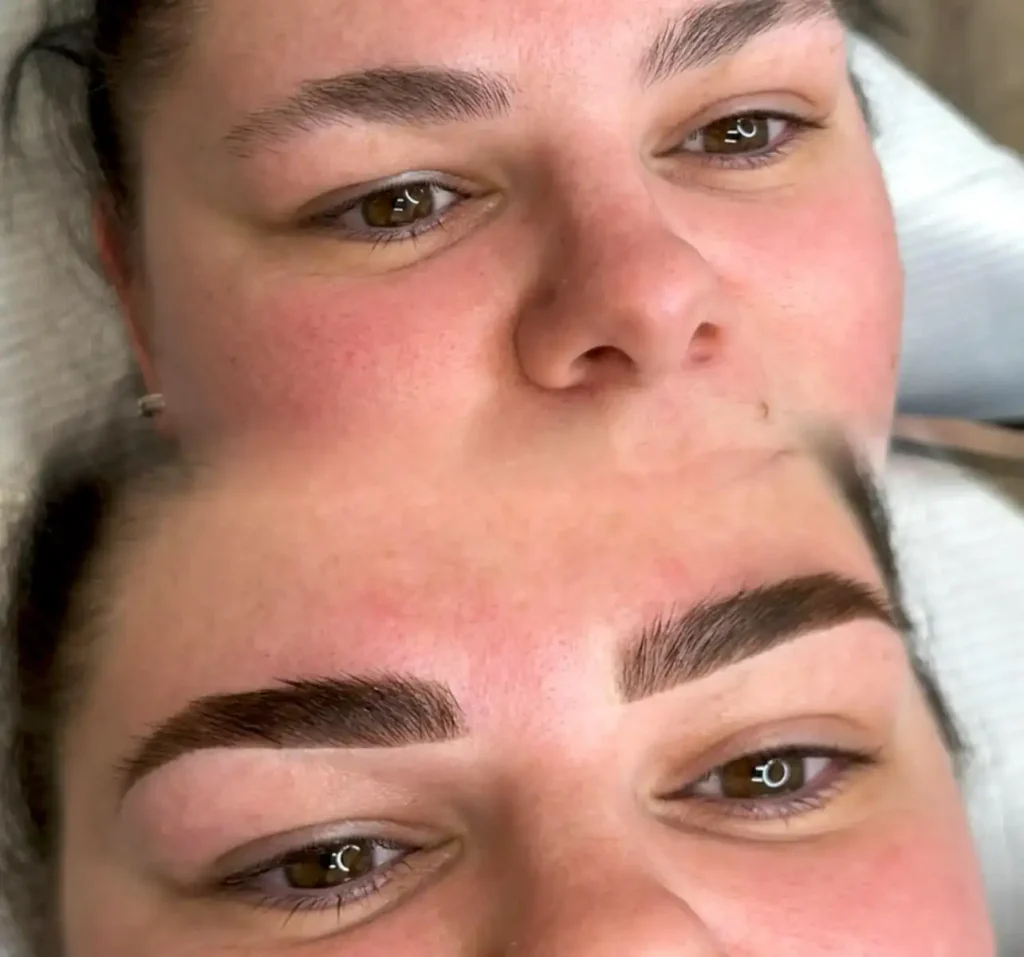
Most bubbling is preventable. Here’s what we advise at Face Figurati:
Before:
- Choose a good tattoo artist with artistic experience and health knowledge.
- Tell them all your medical conditions, including diabetes, autoimmune disease or blood thinners.
- Book in at least 24-48 hours after stopping any anti-inflammatory or oral herpes meds.
After:
- Follow aftercare to the letter: warm water, mild soap, no picking.
- No direct sun, saunas and no cosmetic procedures like skin resurfacing.
- Use a fragrance-free antibacterial cleanser and keep the skin moisturised.
Long term:
- Book your perfecting session 6-12 weeks later, not sooner.
- Stay out of the sun and don’t DIY fade or attempt cosmetic tattoo removal.
2025 Trend Check: Bubbling on the Rise with DIY Tattooing
Thanks to TikTok, semi-permanent makeup is trending — but so is bad aftercare and home attempts at fading. In 2025, the Australian Society of Micropigmentation reported that almost 20% of removal clients had previously tried DIY skin resurfacing, often causing uneven colour distribution or poor pigment retention.
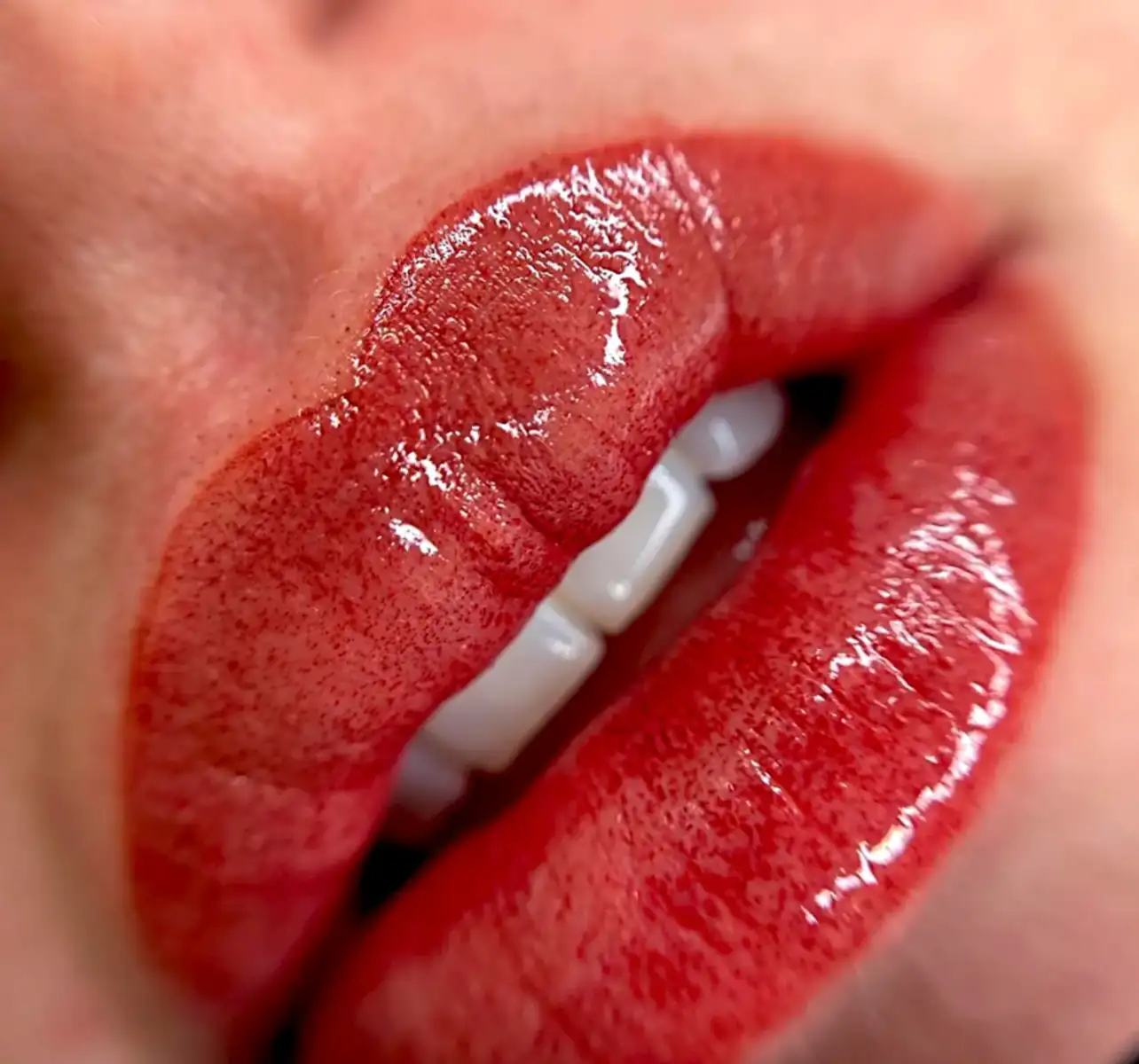
Common mistakes include:
- Using exfoliating acids on Lip Blush Tattoo sites
- Tattooing over cold sores without antiviral medication
- Doing “powder brow” layering before the first tattoo has healed
Many of these could have been avoided by consulting with a qualified cosmetic tattooing artist who knows how different techniques and products interact with compromised skin barriers.
Final Word
If you’ve been wondering what is cosmetic tattoo bubbling, you’re not alone. It’s a common issue in my studio and usually comes from a combination of skin type, cosmetic tattoo pigments and aftercare slip-ups. The good news? It’s treatable.
If you’re unsure:
- Send a photo and book a personalised advice consult.
- Avoid sun, skincare and stress — let your skin breathe.
- Work with someone who knows both tattooing and removal inside out.
FAQ
Can people with diabetes get bubbling more easily?
Yes. People with diabetes may have impaired healing and rejection due to blood sugar control and metabolic disorder.
Is laser always the best fix for bubbling?
Not always. It depends on the type of ink used, pigment depth and skin health. Saline tattoo removal process is often a safer first option.
Does poor hydration really affect healing?
100%. Proper blood circulation, hydrated skin and adequate water intake are key for optimal healing and pigment retention.
What should I avoid after bubbling appears?
Avoid all laser treatments, sun exposure, anti-inflammatory medications and anything not prescribed by a healthcare provider or treatment specialist.
Is this a sign I should never get a cosmetic tattoo again?
Not at all. With the right artist, tailored technique and proper aftercare, even people with previous bubbling can have long-lastin,g beautiful results.
About the Author