Kakadu National Park in the Northern Territory of Northern Australia is a World Heritage site famous for its landscape diversity, Aboriginal rock art and biodiversity. But is Kakadu a rainforest? The answer depends on how you define a rainforest. Kakadu isn’t a tropical rainforest like the Daintree Rainforest or Mossman Gorge, but it does have monsoon rainforest patches—dense, green areas of forest fed by the wet season, freshwater springs and protected moist gorges.
These green zones exist within a broader anthropogenic savanna and grassland and give a glimpse into a range of habitats—from plunge pools and river banks to tidal flats and lowland plains. For travellers interested in ecological integrity, bird species or Aboriginal culture, understanding Kakadu’s rainforest elements is key to appreciating this cultural landscape. If you want to experience it all, a 3 day Kakadu tour is the best way to see these rainforest pockets, wetlands and cultural sites in a short time.
Environment in Kakadu
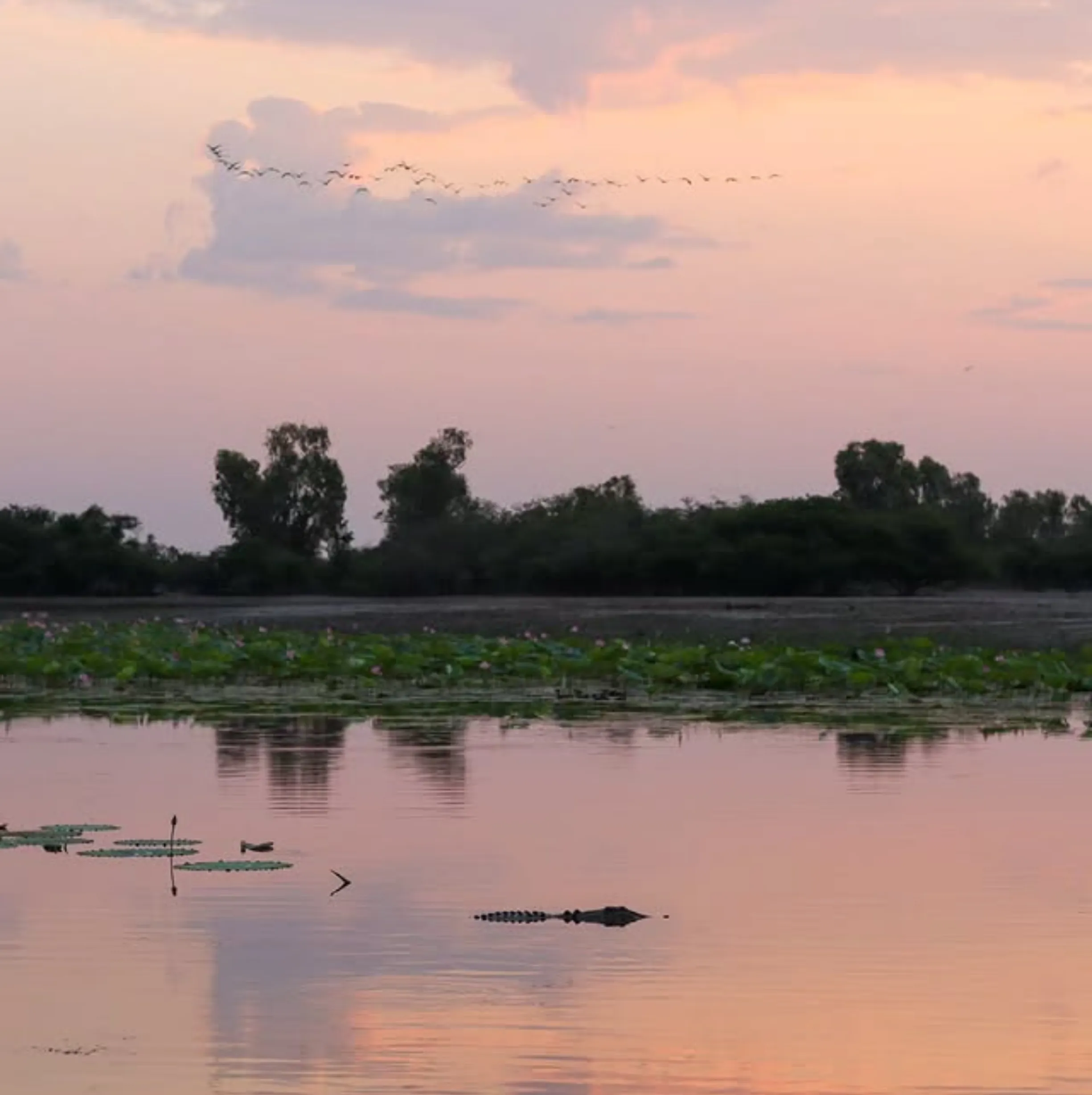
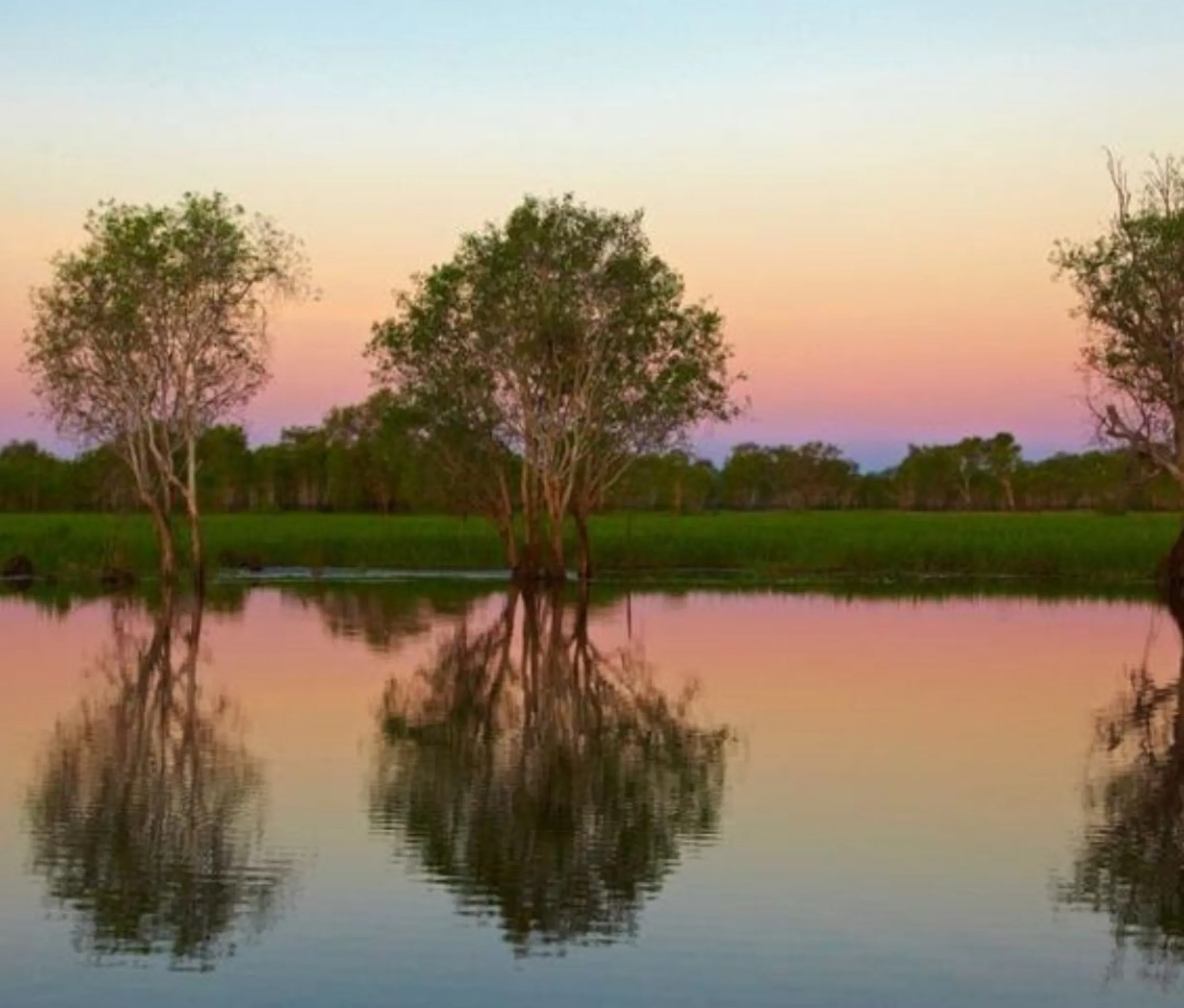
Kakadu covers nearly 20,000 square kilometres from Adelaide River to the Arnhem Land region and is a mosaic of wetlands, alluvial flats, rocky escarpments, grassy savannas and monsoon forests. The park’s environment is influenced by climatic extremes with a big change between the wet season and dry season. This results in temporal sequences of vegetation, water levels and animal species behaviour.
As one of Australia’s biggest national parks, Kakadu has a wide range of habitats—from Barramundi Creek and Magela Creek to the floodplains of Yellow Water Billabong and Anbangbang Billabong. These wetlands, fed by freshwater springs and rivers like Jim Jim Creek, are breeding grounds for migratory birds and home to freshwater crocodiles (Crocodylus johnstonii), Black wallaroos, magpie geese and the rare Chestnut-quilled rock pigeon. Many Kakadu National Park Tours showcase this environmental diversity and get you up close to the park’s wetlands and shaded rainforest areas.
Is There Any Rainforest in Kakadu?
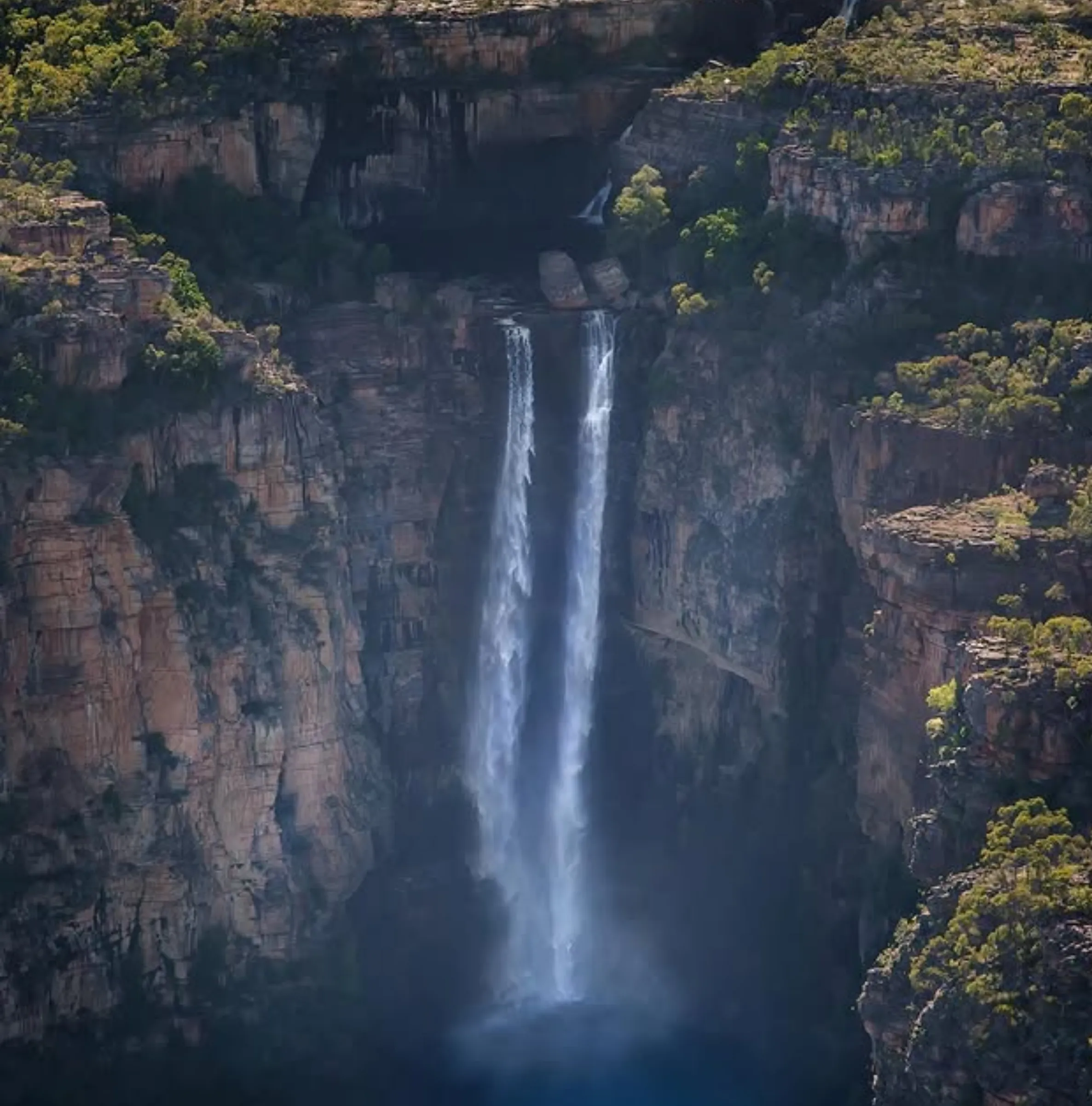
Only in small patches. Kakadu has over 150 monsoon rainforest sites, usually in moist gorges, shaded valleys and near permanent water sources like Twin Falls, Jim Jim Falls and Maguk (Barramundi Gorge). These are also called tall monsoon forests and are key habitats for many endemic plant and animal species.
These rainforests are not continuous but function like an archipelago of hundreds of mini-ecosystems. Some of the dominant plant species are the rare Allosyncarpia ternata, banyan fig and brush-tailed phascogales, which thrive here, often hidden in rock shelters and alongside river beds. Whether you’re on a short Kakadu tour or a long outback adventure, these rainforest patches are a cool, shaded escape in the park’s rugged landscape.
Wet Season vs Dry Season
Why Kakadu Feels Like a Rainforest
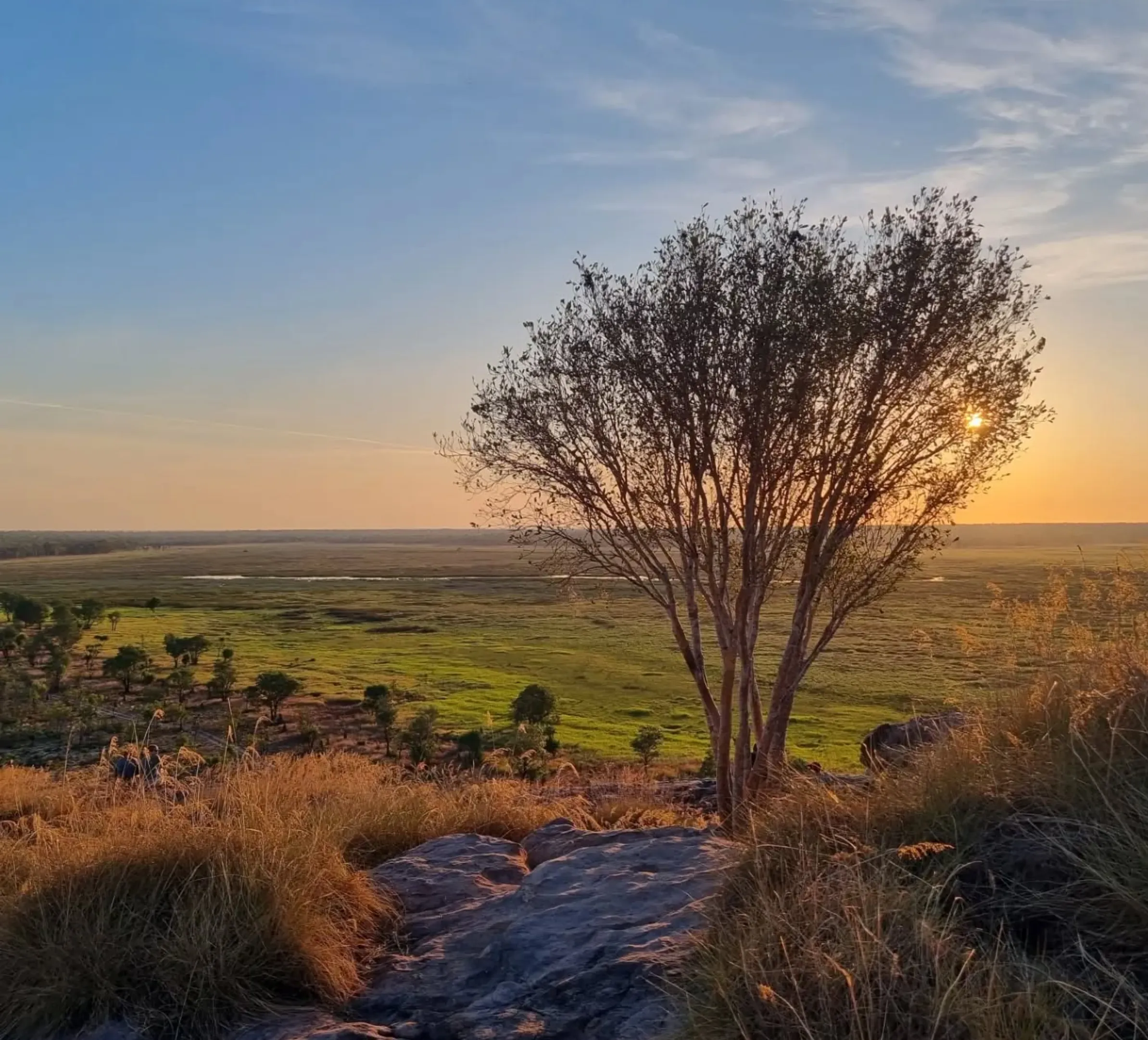
Kakadu’s dramatic change between the wet season (November to April) and the dry season (May to October) is central to its alternative ecosystems. In the wet season abundance of water, breeding season activity and dense green foliage make Kakadu feel like a rainforest. Yellow Water, famous for its Yellow Water Cruise, becomes a living corridor of animal life—from water monitors and C. porosus to Bubalis bubalis (Asian water buffalo) and feral animals.
In the dry season coarse soils, open savanna and more accessible areas like Nourlangie Rock and Ubirr Rocks with Aboriginal rock painting and Burrungkuy Rock Art Site. Even in the dry months, many monsoon rainforest patches remain vibrant thanks to underground freshwater springs and alluvial soils that retain moisture. If you’re planning a Kakadu trip, make sure to consider the season—each has its own way of showing Kakadu’s rainforest-like transformations.
Flora and Fauna
What lives in Kakadu’s Rainforest Pockets?
These wet rainforest pockets support many plants and animals not found in the surrounding areas. The vegetation provides shelter, shade and food for various species, including those threatened by invasive species and climate change.
Flora:
- Allosyncarpia ternata (a key indicator species)
- Pandanus
- Banyan fig trees
- Vines and thick undergrowth
- Samphire flats and salt-tolerant shrubs near tidal zones
Fauna:
- Chestnut-quilled rock pigeon
- Crocodylus johnstonii (Freshwater crocodile)
- Black bream
- Carpentarian Rock-rat
- Flying foxes and fruit bats
- Magpie geese
- Anbinik frogs and other amphibians
These areas are also key breeding habitats and climate refuges, helping to maintain Kakadu’s biodiversity, especially under landscape ecology pressures and changing climate change agreements. Many Kakadu tours include expert commentary on the unique plants and animals that live in these rainforest patches.
Kakadu’s Landscape Diversity
Kakadu is a broad-scale assessment of Australia’s tropical regions, with accurate measurements of its natural assets thanks to years of ground truthing, aerial photography, and work by Parks Australia, Bureau of Meteorology, and Climate Services agencies.
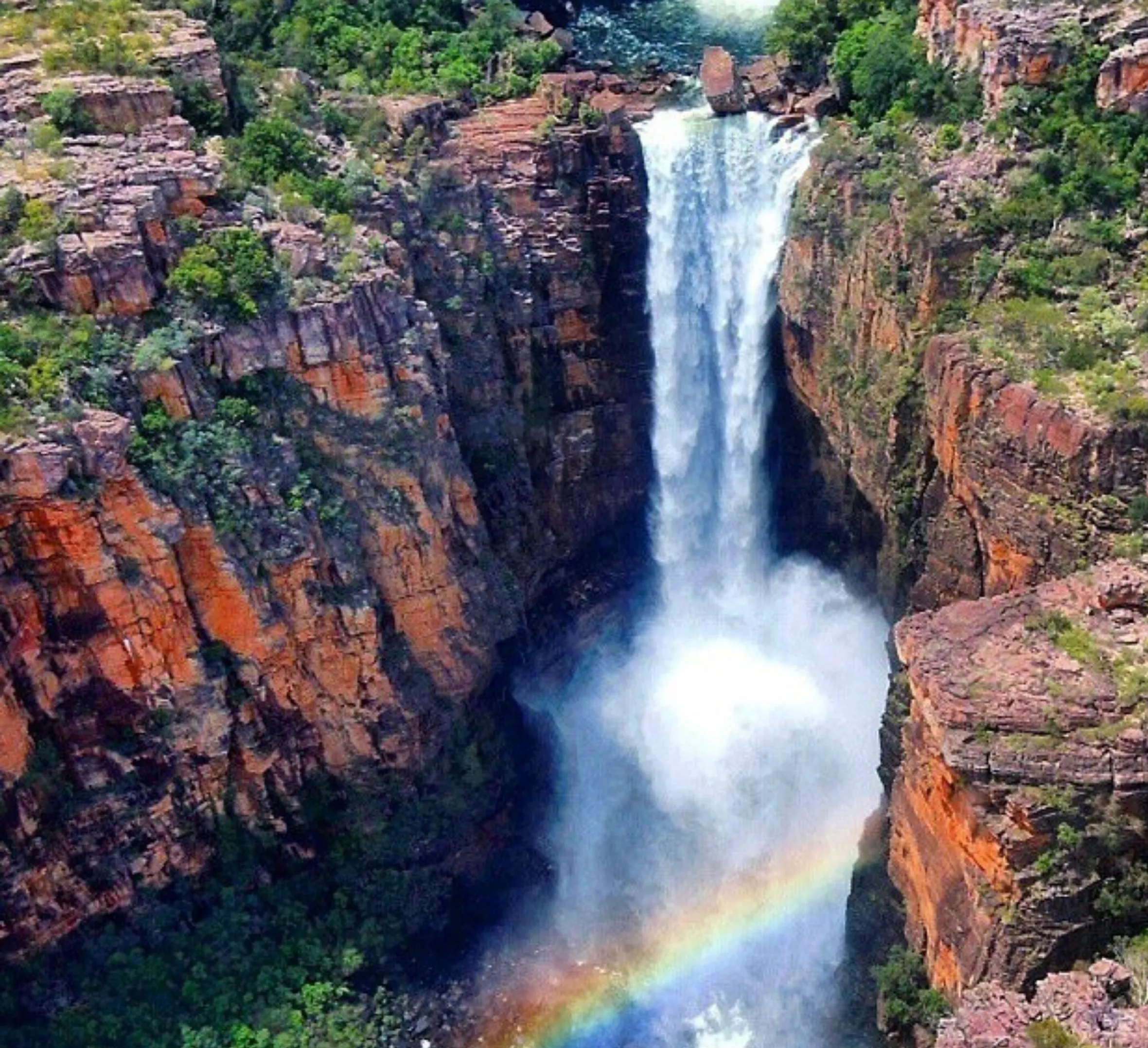
You can experience an amazing range of habitats—from the temperate rainforest-like areas near Jim Jim Falls to Aboriginal landscape sites like Cahills Crossing and Aboriginal rock shelters. Don’t miss a scenic flight over Arnhem Land, a boat trip through Yellow Water, or a walk along the circular walking track near Jim Falls or Cape Tribulation—each with its own natural history, species interactions and cultural baggage to confront and explore. For the ultimate journey, a well-planned Kakadu trip offers adventure and cultural insight through the park’s many ecosystems.
Conclusion
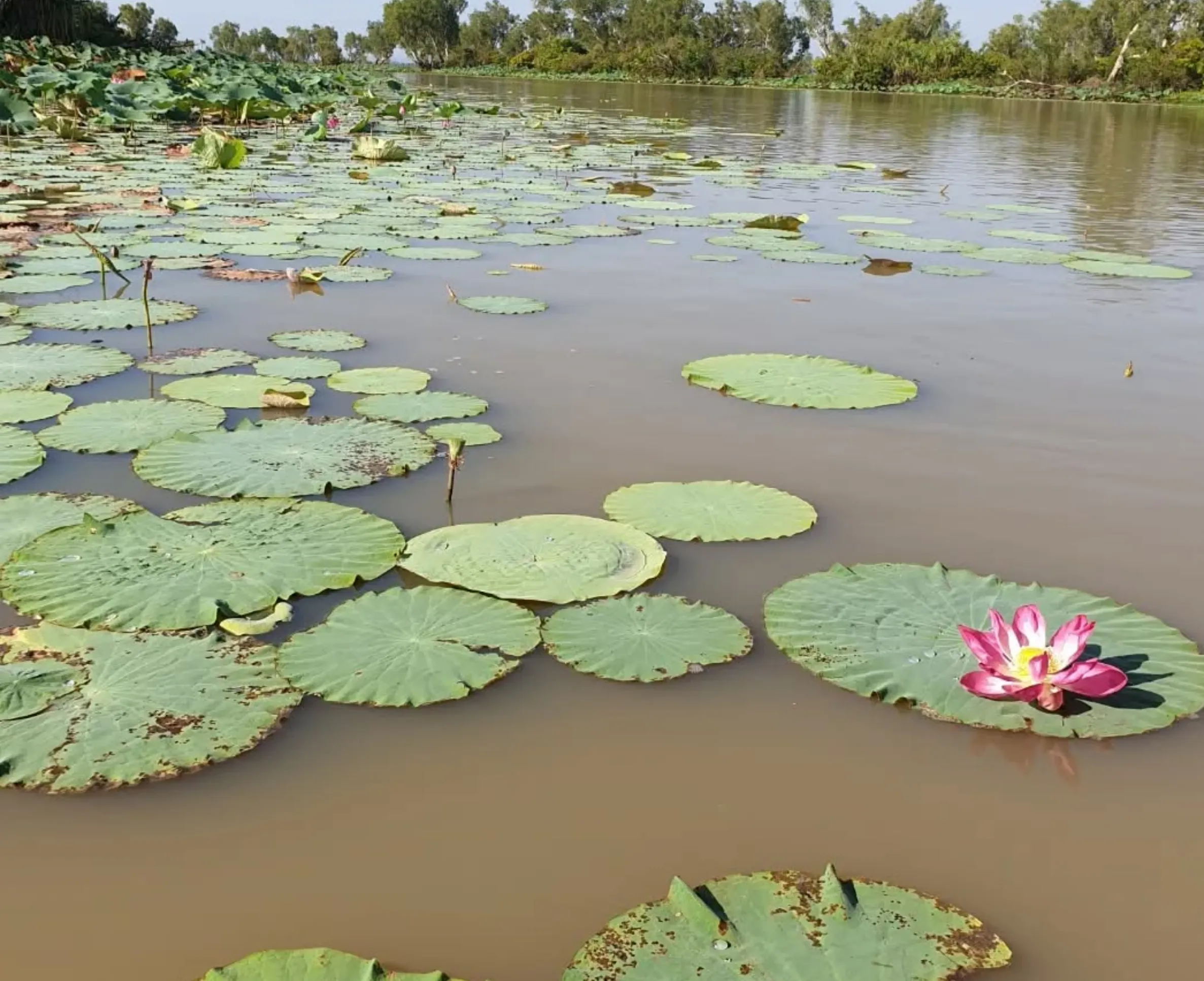
So, is Kakadu a rainforest? Not entirely. It’s a complex natural system with monsoon rainforest pockets within a larger savanna and wetland mosaic. These rainforests, although limited in size, offer advantages over satellite-based assumptions—an ancient culture, ecological richness, and biodiversity to immerse yourself in. Whether you’re joining a short-day excursion or a fully guided 3 day Kakadu tour, you’ll leave with a deeper appreciation for Australia’s untamed tropical heart.
FAQ
Is Kakadu a tropical rainforest like the Daintree?
No, Kakadu is not a continuous tropical rainforest like the Daintree Rainforest, but it has monsoon rainforest pockets that flourish seasonally, especially during the wet season.
Where are Kakadu’s rainforest patches located?
Rainforest patches are near Jim Jim Falls, Twin Falls, Barramundi Creek, and shaded valleys like Maguk and Gunlom. These areas are often in moist gorges and protected river valleys.
What kind of plants are in Kakadu’s rainforest zones?
Allosyncarpia ternata, Pandanus, fig trees, and a variety of plants that like alluvial soils and river banks.
What animals live in Kakadu’s monsoon forests?
Flying foxes, fruit bats, Chestnut-quilled rock pigeons, Freshwater crocodiles, and migratory birds that breed here during the wet season.
Can tourists visit Kakadu’s rainforest areas year-round?
Access depends on the season. The wet season brings an abundance of water, so some areas are closed, but it also makes Kakadu a rainforest. The dry season is better for hiking and cultural tours.
About the Author