
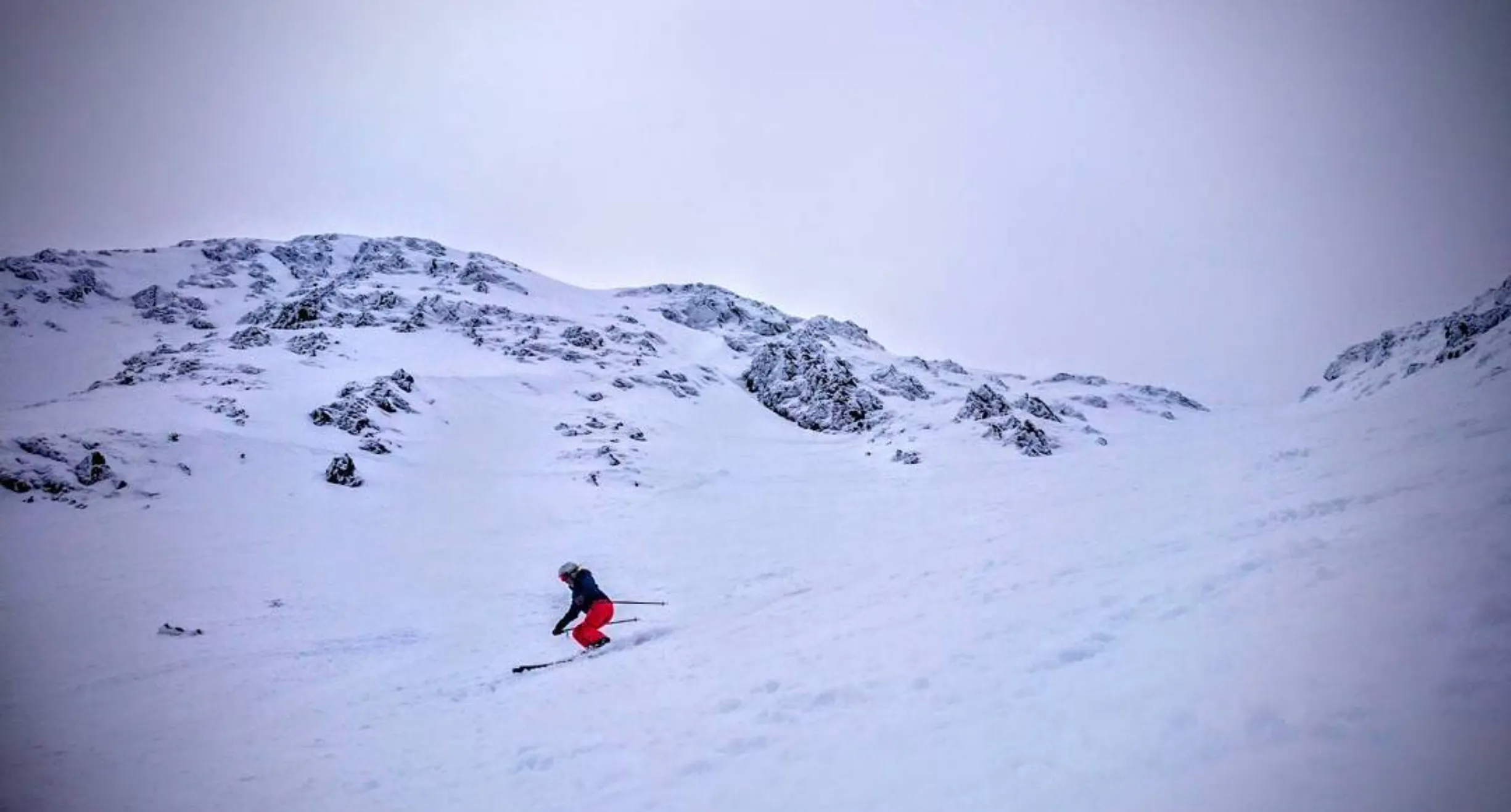
Skiing is an amazing winter sport that combines adventure, skill and snow. But for beginners, the learning curvecan feel steep and many wonder how many days it will take to feel comfortable on the slopes. While there’s no one answer to that question this article will break down the ideal number of days for beginners based on skill acquisition, endurance and overall experience. By understanding the key factors involved you can plan the perfect ski trip to get the most out of your time on the ski slopes at ski resorts. Whether it’s your first time skiing or you want to improve this guide to skiing will help you decide the best approach. A well-planned snow trip can make the learning experience excellent and skiing more enjoyable for beginners.
The Learning Curve
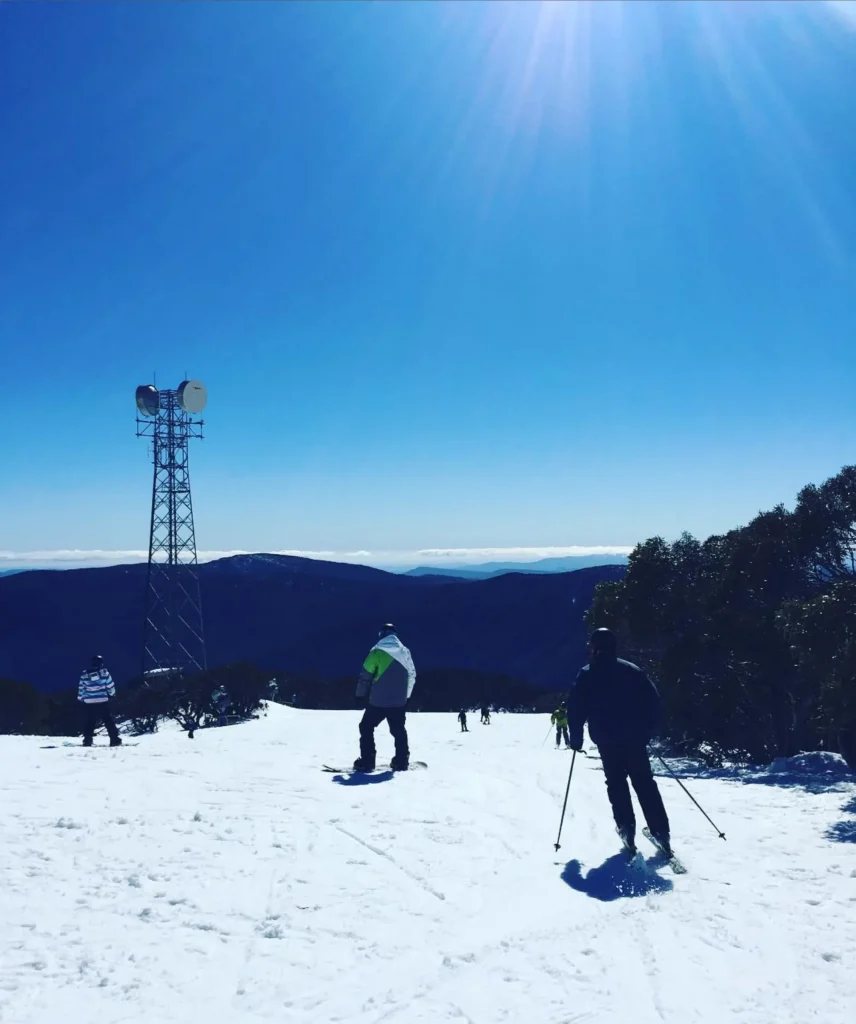
Skiing is a sport that requires balance, coordination and confidence. The first day on the slopes is usually the hardest as beginners get used to wearing ski boots, skiing on beginner slopes and learning proper techniques such as stopping and turning. But with private lessons or ski lessons from a professional instructor most people can develop basic control within a couple of days. How fast a beginner skier progresses depends on physical fitness, prior experience with similar sports like ice skating and the quality of instruction received.
Recommended Duration for Beginners
1 Day
One day of skiing isn’t enough to build confidence and enjoy a ski holiday. On the first day, first-timers spend most of the time getting used to the ski gear, learning how to stand, stop and make basic turns. Falls are frequent and fatigue sets in quickly. One day can be a fun taster but it’s unlikely to develop solid skills. However, if you just want to try the sport to see if you like it, one day might be enough.
2–3 Days
Two to three days is often the perfect timeframe for beginners to feel comfortable on the slopes. By the second day, muscle memory kicks in and movements become more natural. With continued practice and proper instruction, most beginners can make smoother turns and get more control over their speed. By the third day, many will feel more comfortable on green slopes or nursery slopes and may even try slightly steeper slopes. This is great for those who want a short but sweet skiing holiday.
4–5 Days
Four to five days of skiing allows for even more progress. By this stage, most beginners will have moved beyond the basics and will start working on refining their technique. They may ski longer green slopes and even some easy intermediate slopes depending on their confidence level. After several days on the slopes, skiers get used to the physical demands of the sport fatigue reduces and enjoyment increases. This is recommended for those who want to make significant improvements in one Melbourne snow trip and experience more of what the ski resorts have to offer.
6+ Days
For beginners who want to really get into skiing and develop strong foundation skills, a trip of 6 or more days is ideal. By this point, most beginners will have mastered stopping, turning and controlling their speed. They may feel comfortable skiing on intermediate slopes and overall enjoy the sport more. However, longer ski trips require endurance so make sure to pace yourself and take rest days if needed. A 6-snow trip to Melbourne is perfect for those who want to build skills that will make future ski trips even more enjoyable and rewarding.
Factors That Affect Learning Speed
Several things determine how fast a beginner will progress in skiing:
- Physical Fitness – Strong legs and core will help with balance and endurance.
- Prior Experience – Those with experience in skating, snowboarding or other balance-based sports like ice skating will learn faster.
- Quality of Instruction – Taking lessons from a professional ski instructor will speed up progress.
- Weather Conditions – Good visibility and fresh snow make learning easier than icy or foggy conditions.
- Mental Attitude – Confidence and willingness to take on challenges will impact the learning process.
Tips to Make the Most of Your Skiing
Choose a Beginner Friendly Resort
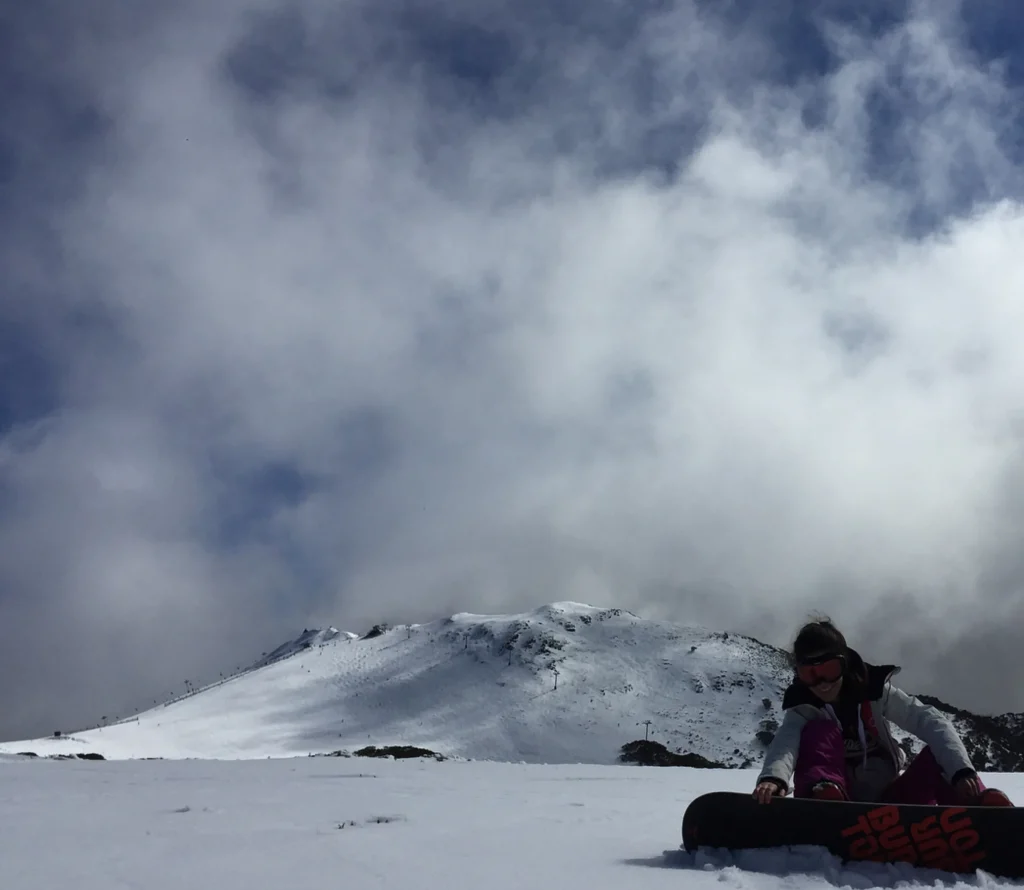
Picking the right ski resort is key to a successful beginner experience. Look for resorts for beginners with nursery slopes, gentle slopes and high-quality ski schools. Resorts with magic carpets and wide, groomed trails will make learning more enjoyable.
Get Your Essential Ski Gear
Having the right ski gear will make a huge difference. Beginners should rent or buy properly fitted ski boots, skis and poles from a reputable shop or ski shops at the resort. Waterproof, insulated clothing, ski gloves and goggles will keep you warm and comfortable all day. A helmet is also essential for safety even on beginner slopes. Don’t forget gloves, lip balm and a piste map to navigate the slopes. Being well-prepared is key to enjoying your Melbourne snow tour to the fullest.
Conclusion
The number of days to spend skiing as a beginner depends on personal goals, endurance and how quickly you pick up the techniques. One day can be a fun intro, 2-3 days usually give you basic control and confidence, 4-6 days to refine your technique and explore more terrain. Regardless of duration, choosing the right resort, taking lessons and being prepared with the right gear will enhance the learning experience and set you up for future ski adventures. Whether it’s a weekend getaway or a longer snow tour to Melbourne, planning ahead ensures you get the most from your time on the slopes.
FAQ
Can I learn to ski in one day?
You can get a feel for skiing in one day but mastering even beginner-level skills takes more time. One day is usually just enough to learn to stop and make basic turns on beginner slopes.
Do I need to take ski lessons as a beginner?
Yes, ski lessons from a pro will accelerate your progression and help you avoid developing bad habits that can be hard to correct later. Private lessons can make a big difference in rapid progression.
How physically demanding is skiing for a beginner?
Skiing can be physically demanding, especially on the legs and core. Adult beginners may feel sore after the first day but proper stretching and pacing can help reduce fatigue. Your fitness level and skill level play a role in how fast you adapt.
What’s the best time of year to learn skiing?
Late December to early March is the ideal time as resorts usually have good snow. Early and late season can be icier which makes learning more challenging. Check snow reports and choose the snowiest slopes that will make the experience better.
What should I wear for my first ski trip?
Dress in layers, base layer, mid layer and outer layer. Essential accessories are ski gloves, goggles, helmets and warm socks to stay comfortable on the slopes. A lift pass is required to access the ski lift and different slopes during your time skiing.
About the Author